
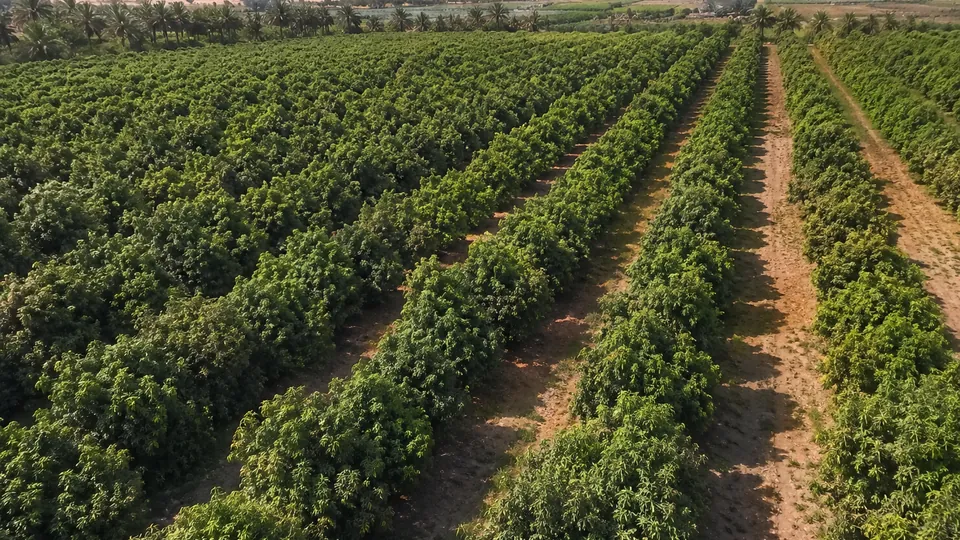
Egypt’s State Information Service reported more than 5.8 million tonnes of agricultural exports in 2026 through 11 July, including citrus, potatoes, sweet potatoes and grapes. That scale makes Egypt relevant to many international programmes, but a national export total does not tell a buyer whether a particular variety, grade or pack is available for a specific loading date.
A buyer therefore needs two views at the same time: an indicative calendar for early planning and a live written confirmation for the crop, specification, packhouse window, route and shipment. This article shows how to connect the two.
A season is a planning window, not a loading promise
Harvest, commercial packing, export, stored availability, loading and expected arrival are different windows. Weather, growing region, variety, maturity requirement and destination protocol can shift them. A product may be harvested while the requested export grade or pack is limited; stored supply may also have a different remaining shelf-life profile.
- Treat published months as an early sourcing signal.
- Ask which variety and packing week the offer covers.
- Confirm whether supply is fresh crop, stored crop or a mix.
- Put the confirmed loading window in the quotation.
Product name is not enough: variety and specification change availability
“Grapes” can mean early or late varieties with different commercial windows; “oranges” can mean Navel, Valencia or another programme with different harvest timing and use. Size, colour, maturity, defect tolerance and pack format further reduce or broaden the volume that meets the brief. Buyers should state acceptable alternatives before the crop is packed, not after a shortage appears.
- Name the preferred variety or intended sales programme.
- Define grade, calibre method and permitted tolerance.
- Specify net weight, pack material, label and pallet limits.
- List alternatives that may be quoted separately.
Work backwards from the required arrival
The buyer’s commercial date is often an arrival, promotion or shelf date—not a harvest date. Work backwards through destination clearance, inland delivery, vessel or flight schedule, export inspection, packing and harvest. Keep estimated transit and booking dates marked as indicative until the carrier confirms them, and allow time for documentary or physical controls.
- State destination country, port and importer entry point.
- Give desired arrival and the latest acceptable loading date.
- State trial volume, programme volume and shipment rhythm.
- Confirm route, cut-offs and document responsibilities in writing.
Protect quality between packing and arrival
Suitable pre-cooling, product temperature, packaging strength, ventilation, humidity and ethylene management are commodity- and route-specific. A reefer is generally expected to maintain suitably prepared product rather than remove all field heat. Mixed loads should only be planned after checking compatibility, and the parties should agree who approves settings and reviews temperature evidence.
- Approve a product-specific loading protocol.
- Record pulp temperature, loading condition and seal details.
- Agree logger placement, ownership and data access.
- Inspect at the agreed point within the claims timetable.
Use the Quality Zone availability calendar to identify a likely sourcing window, then request live confirmation for the exact product, variety, specification, quantity, packing week, route and destination.
Indicative planning information, not an availability guarantee. Crop timing, regulation, carrier schedules and buyer requirements can change. The written quotation and signed specification control the order.
 Cairo, Egypt
 Malden, Netherlands